

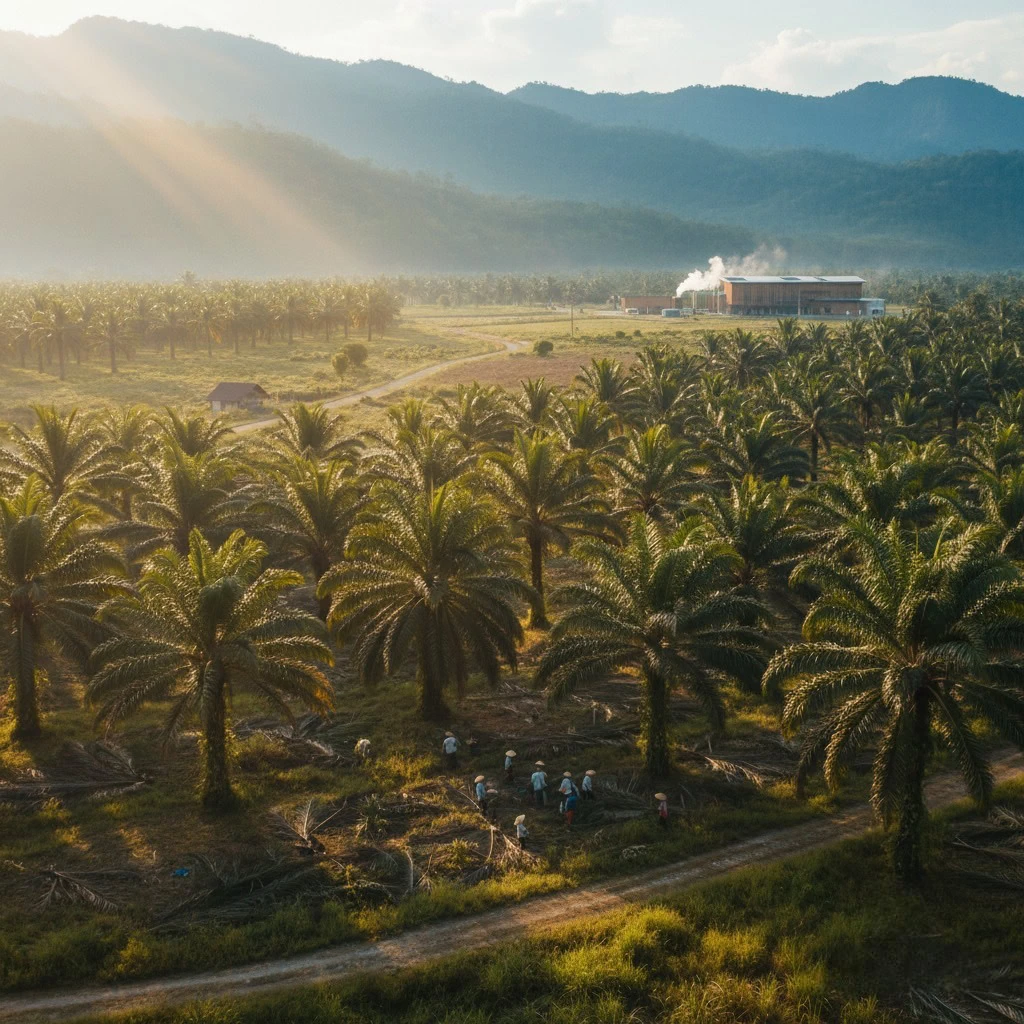
The Sustainable Biomass Feedstock project delivers a reliable, eco-conscious supply of biomass derived from palm oil mill by-products in Pekanbaru, Riau Province. Designed to support Indonesia’s renewable energy expansion and circular economy goals, the initiative transforms agricultural residues into high-value, clean energy feedstock.
By partnering with established palm oil mills, the project ensures consistent monthly production volumes that cater to bioenergy developers, biomass processors, and industrial buyers seeking sustainable raw materials for renewable fuel generation.
Location & Supply Source
Strategically located in Pekanbaru, Riau Province—a key hub for Indonesia’s palm oil production—the project benefits from steady feedstock availability and close access to transportation infrastructure for both domestic distribution and export delivery.
Supply Details
- Monthly Capacity: 15,000 – 20,000 tonnes per month
- Source: Palm oil mills across Pekanbaru and surrounding regions
- Delivery Terms: Ex Works (EXW)
- Status: Active and available for long-term contracts
Product Benefits
- Reliable Feedstock Supply: Maintains consistent monthly output from a network of active palm oil mills.
- Sustainable Resource Utilization: Converts agricultural by-products into renewable energy material, reducing waste and emissions.
- Versatile Application: Suitable for biomass power plants, pellet and briquette manufacturing, and biofuel feedstock.
- Supports Circular Economy: Promotes waste valorization, resource efficiency, and sustainable production cycles.
- Flexible Trade Terms: EXW structure allows buyers to manage logistics independently for optimal efficiency.
Market Relevance
As one of the world’s largest palm oil producers, Indonesia generates millions of tonnes of biomass waste annually. This project capitalizes on that potential by offering a scalable and sustainable biomass supply that contributes to energy diversification, industrial decarbonization, and green manufacturing.
The feedstock also appeals to buyers prioritizing ESG compliance and carbon reduction, offering a tangible way to integrate renewable materials into their energy and production value chains.
Applications
This biomass feedstock is ideal for:
- Biomass power generation facilities
- Pellet and briquette manufacturing plants
- Biofuel and ethanol production
- Composting and organic fertilizer operations
Sustainability Impact
Through responsible sourcing and efficient waste recovery, this initiative directly supports carbon emission reduction, rural economic growth, and sustainable land management within Indonesia’s palm oil industry. It aligns with both national renewable energy targets and global sustainability frameworks, advancing a cleaner, circular future for the energy sector.